The Welcoming House: Access and Comfort at a Kent Manor Wedding
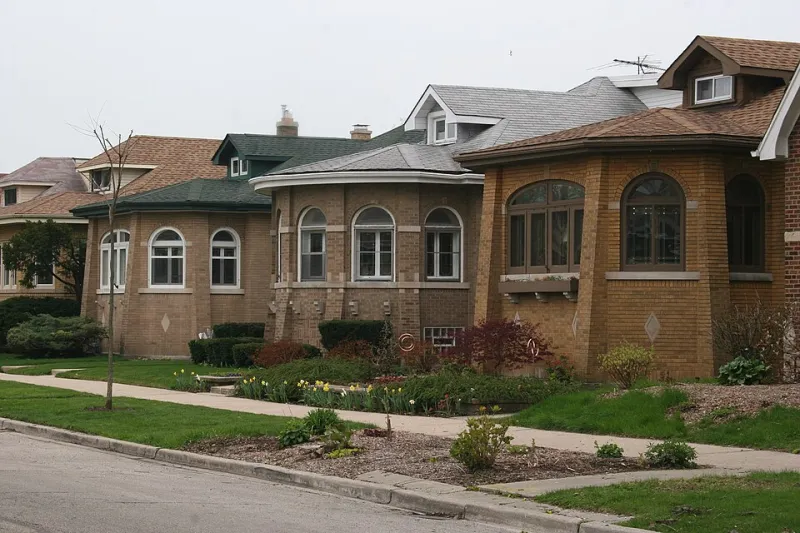
Photo: Thshriver, CC BY-SA 3.0, via Wikimedia Commons
A historic house invites celebration precisely because it feels unlike a modern hotel. Stone floors, old thresholds and rooms that have known centuries of use give a wedding at Wickham Court its character. They also ask couples to think a little more carefully about how every guest will move through the day. The answer is not to strip the house of its personality, but to plan access with the same care given to flowers, menus and music. Thoughtful access is simply good hospitality, expressed in practical terms.
Begin with the Guest List, Not the Building
Access planning works best when it starts early, alongside the first draft of the guest list. Couples often know that a parent uses a walking stick, that a friend is pregnant, or that a relative is hard of hearing. Others may not know what a guest will need until the invitation goes out. A simple line on the RSVP card can help: ask whether there is anything the venue can do to make the day easier. The wording should be open, private and unremarkable, so that no one feels singled out. Something such as, Please tell us if you would like to discuss access, seating or dietary needs, places the invitation in the same practical category as menu choices.
It is equally important not to assume. A guest with a visible disability may have no additional requirements at all, while another with an invisible condition may need a quiet corner and a clear route to the exit. Offering a named contact, rather than a general enquiries address, gives guests permission to explain what would help without feeling that they are making a fuss.
Step-Free Routes and the Journey Through the House
At a manor-house wedding, the day is a sequence of small journeys: from car to ceremony, ceremony to drinks, drinks to dining room, dining room to lawn. Couples and the venue team should walk those routes together and consider them as a guest would. Is the drop-off point close to the entrance? Is the path firm underfoot after rain? Are there thresholds that a wheelchair or walking frame can cross comfortably? Where temporary ramps or matting are needed, they should be discreet, secure and lit if the route is used after dark.
Historic floors are rarely perfectly level, and gravel or grass can become difficult in wet weather. A practical plan will identify an alternative route before the wedding day, not during it. It will also brief the people most likely to be asked for directions: ushers, suppliers and venue staff. A guest should never have to discover the accessible route by trial and error.
Seating That Offers Choice
Ceremony seating is often arranged for symmetry, but a wedding is better served by flexibility. Reserve a small number of chairs with armrests near the aisle for older guests or those who find low seats difficult. Leave clear spaces for wheelchairs and for companions to sit alongside, rather than in a separate row. Avoid over-reserving, which can make a guest feel conspicuous, and avoid placing all accessible seating at the back, which can imply a lesser view of the moment.
The same principle applies at dinner. Round tables can make conversation easier for guests who lip-read, while a straight top table may suit a smaller wedding. Couples should feel able to ask the venue to adjust the layout rather than accept a standard plan. At Wickham Court, the room-by-room character of the house means that seating can often be arranged to suit the party rather than the other way around.
Quiet Rooms and Retreats
Not every guest will want to be in the middle of the celebration for every hour of it. A quiet room, available without ceremony, is one of the most civilised forms of access a venue can offer. It should be easy to reach, clearly signposted and kept free of clutter. It need not be a medical room; a drawing room or library corner can serve perfectly, provided it is genuinely quiet and does not become a thoroughfare.
Guests with sensory sensitivities, anxiety, fatigue or young children may all benefit from somewhere to pause. Couples should agree in advance how the space will be used and who will check that it remains comfortable. A jug of water, a few chairs and a closed door can do more for a guest's enjoyment than an elaborate gesture elsewhere.
Hearing, Sight and Understanding
Speeches and ceremonies rely on sound, but not everyone hears in the same way. A hearing loop, working microphones and a sound system that reaches the back of the room are basic considerations. Couples should ask whether a loop is available and, if so, whether it covers the ceremony and speeches. For guests who lip-read, face the speaker clearly and avoid placing them against a bright window. Printed orders of service and a large-print version can help guests follow readings and vows.
Where a guest uses British Sign Language, an interpreter should be seated where they can be seen by the person or people who need them. This is not an unusual request at a wedding; it is simply another supplier brief, best raised early so that seating and sightlines can be arranged properly.
Facilities and Everyday Comfort
Accessible toilets should be checked, not assumed. Are they open, clean and on a step-free route? Is there a baby-changing facility for guests with young children? Is there somewhere to leave a coat or change footwear? Small comforts matter: water on a warm day, a little shade on the lawn, clear lighting on paths after dark. For guests arriving by taxi or minibus, a straightforward drop-off plan prevents confusion at the gate.
The Language of Asking
The most elegant access plan is useless if guests do not feel able to use it. Couples can help by asking plainly and privately, and by avoiding language that sounds clinical. Instead of special requirements, speak of comfort, seating or anything that would make the day easier. Keep replies confidential, and tell guests whom they can approach on the day if something changes.
A Shared Responsibility
A welcoming wedding is not the work of one person. The venue, registrar, caterer, photographer and ushers all contribute to how the day feels. A short briefing before the wedding can identify accessible routes, quiet spaces, hearing equipment and key contacts. Suppliers who understand the plan are less likely to create obstacles, whether with equipment, lighting or furniture. At Wickham Court, the aim is not to present a perfect historic stage, but a generous house in which every guest can take part. Character and welcome are not opposites; with a little forethought, they belong together.