Orchards, Hops and Honey: The Anatomy of a Kentish Welcome Hour
There is a particular moment, shortly after a ceremony ends, when a wedding day pauses. Guests step out of one room and into another, coats are found, glasses are needed, and the atmosphere is quietly reset. What happens in that hour sets the tone for everything that follows. At Wickham Court, it is also an opportunity to say something about place — not loudly, and not in the manner of a tasting menu, but with the restraint of a house that has been welcoming guests for centuries.
The First Hour Has a Job to Do
A drinks reception is not simply a delay before dinner. It is a transition, and transitions benefit from structure. Guests need to be received, orientated and refreshed; they need somewhere to stand that does not feel like a corridor; and they need a drink in hand within a few minutes of arriving. Any local story told through the drinks list should serve those practical ends rather than compete with them.
The temptation, when a venue sits in one of England's most productive counties, is to overfill the table. Kent grows apples, hops, soft fruit, honey and wine, and it is easy to assemble a list so long that no one can serve it well and no guest can make sense of it. A shorter menu, chosen with care and poured with confidence, will always read as more generous than a crowded one.
Reading the Rooms Before You Read the Menu
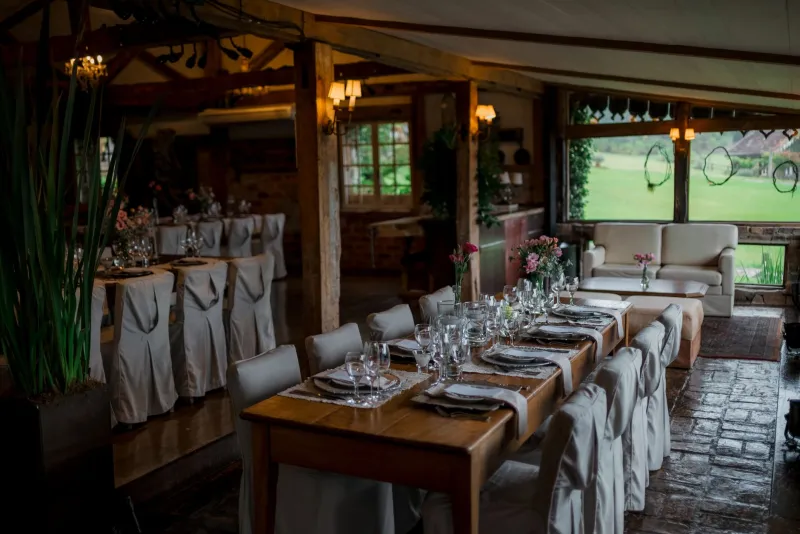
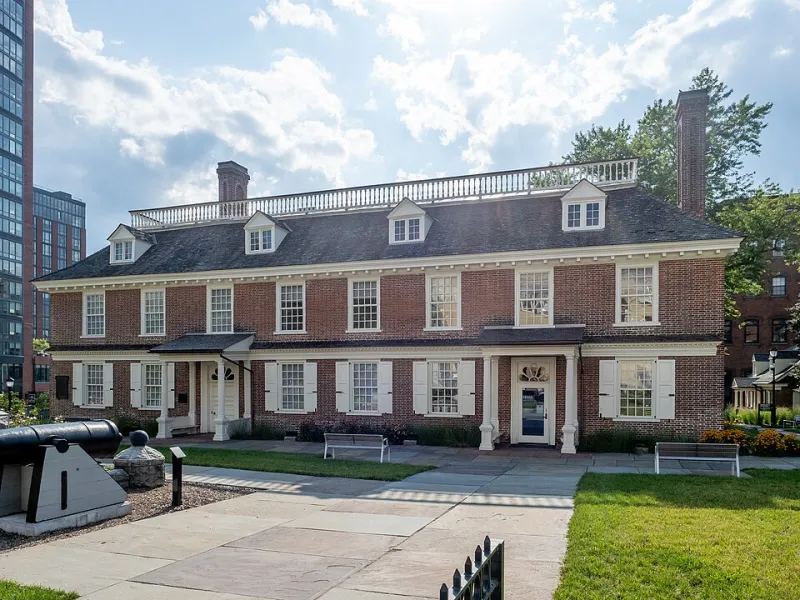
At Wickham Court, the welcome hour is shaped as much by architecture as by appetite. In the cooler months, the reception naturally gathers in the house, where the fires and the proportions of the rooms encourage guests to linger and circulate. In summer, the gardens and terrace pull people outward, and the drinks service has to follow them.
This has practical consequences. Two service points, thoughtfully placed, will do more for a reception than one elaborate bar. Position them where guests naturally pass rather than where they must be directed, and avoid placing either in a doorway. If the weather is uncertain — as it can be in any Kentish month — agree in advance where the indoor fallback will stand and how quickly it can be brought into use. Glassware, ice and water should be within reach of both service points, and there should be somewhere to put a glass down that is not a windowsill.
It is also worth deciding, early, whether the reception is to be a standing occasion or a partially seated one. Older guests and anyone with mobility needs will appreciate a few chairs placed without ceremony at the edges of the room or beneath the trees. This is a small detail that is rarely mentioned in planning meetings and always noticed on the day.
A Kentish Larder, Poured
A welcome hour rooted in Kent need not be a history lesson. Three or four well-chosen references will do the work, provided they are genuinely local and genuinely good.
The orchard is the most natural starting point. A dry or medium Kentish cider, served cold and unhurried, is an excellent reception drink because it is refreshing, distinctive and lower in alcohol than many alternatives. Apple juice from the same orchards gives younger guests and non-drinkers something that feels part of the same story rather than a substitute for it. If the wedding falls in autumn, a perry or a single-variety juice can add interest without adding complexity.
Hops offer a second thread. Kent's hop gardens are part of the county's identity, and a well-made local pale ale — ideally from a brewery within reasonable distance of the venue — gives beer drinkers something worth choosing rather than something merely available. Green-hop beers, brewed in the weeks after the harvest, are a seasonal pleasure best offered in small quantities and with a little explanation from the supplier. They are also a useful reminder that not every drinks decision needs to be a permanent one.
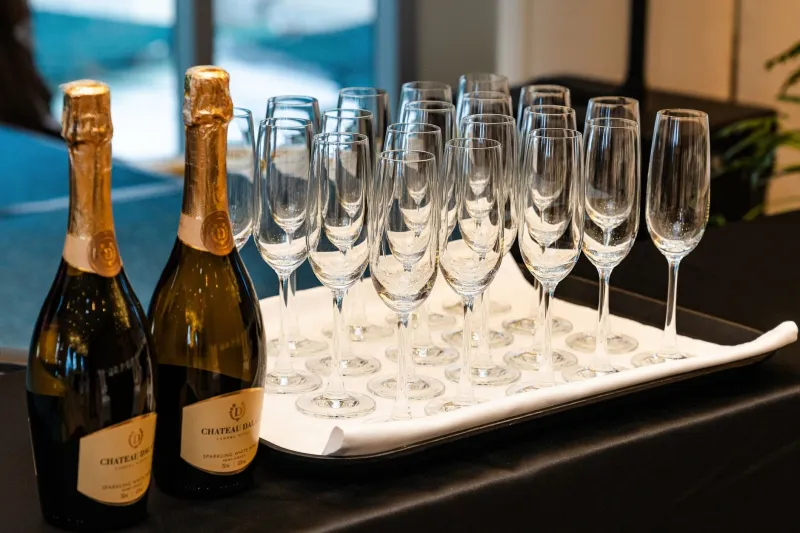
Kentish wine deserves a mention, particularly if the couple intends to use it for the toast later in the day. A local sparkling wine served during the reception can be a quiet statement of intent, provided it is served at the right temperature and in the right glass. Wine is not compulsory, and a reception that offers cider, ale, a soft drink and water is perfectly complete.
Honey is perhaps the most adaptable local ingredient of all. It can appear in a simple honey and lemon serve, in a cordial, or as a garnish to a gin drink that uses a Kentish gin. It should be used sparingly: a note, not a theme. Soft fruit — raspberries, blackcurrants, strawberries in season — can be frozen into water jugs or folded into a cordial, and will look better than any imported garnish.
The Non-Alcoholic Bar Is Not an Afterthought
The most common weakness in an otherwise well-planned drinks reception is the non-alcoholic offer. Too often it is reduced to one sweet elderflower pressé, a jug of orange juice and the implicit assumption that anyone not drinking is not really interested.
A better approach is to give the non-alcoholic choices the same attention as the alcoholic ones: proper glassware, a garnish, a named drink, and somewhere to find it. A hop-infused lemonade, a dry apple and elderflower spritz, a good tonic with citrus and rosemary — these are not compromises. They are drinks that happen to contain no alcohol, and guests who are driving, pregnant, teetotal or simply pacing themselves will notice the difference.
It is also worth remembering that a drinks reception is one of the few parts of a wedding day where guests can choose freely. Offering genuine choice, rather than a token alternative, is a form of hospitality in itself.
Quantities, Pacing and the Question of the Toast
A welcome hour of sixty to seventy-five minutes is usually ample. Longer than that and the reception begins to drift; shorter, and guests feel hurried. As a working guide, allow two to three drinks per guest across the hour, with water available throughout and a generous margin for the unexpected. It is better to run out of one option than to leave a bar visibly overstocked, and better still to agree in advance with the supplier how any surplus will be handled.
The toast is a separate matter. If a sparkling wine is to be served later, the reception drinks should not compete with it; lighter, lower-alcohol options tend to work better. If the couple intends to toast with the same drink served on arrival, that should be a deliberate decision rather than an accident of ordering.
Questions Worth Asking a Supplier
A good supplier will welcome detailed questions. Among the most useful: where exactly do the ingredients come from; what is the delivery and collection arrangement; who supplies glassware, ice and garnishes; what is the staffing ratio for the number of guests expected; how is the bar licensed for the venue; what is the corkage or service arrangement if the couple supplies their own drinks; what non-alcoholic range is available; and how are allergens and dietary requirements communicated to the serving team.
It is also worth asking what happens if the weather turns, how the supplier handles a change in guest numbers at short notice, and whether they have worked at Wickham Court before. Familiarity with the house is not essential, but it shortens the conversation considerably.
A Short Menu, Well Chosen
The welcome hour at Wickham Court does not need to be a showcase. It needs to be warm, well-paced and quietly rooted in the place. A Kentish cider, a local ale, a honeyed soft drink, a jug of water with garden mint, and a glass of something sparkling for those who want it — that is a menu capable of carrying a story without becoming a lecture. Served with care in the right room, it will do exactly what the first hour of a wedding should do: make guests feel expected, and make the day feel as though it could not have happened anywhere else.