When the Sky Changes Its Mind: A Wet-Weather Wedding Strategy for Wickham Court
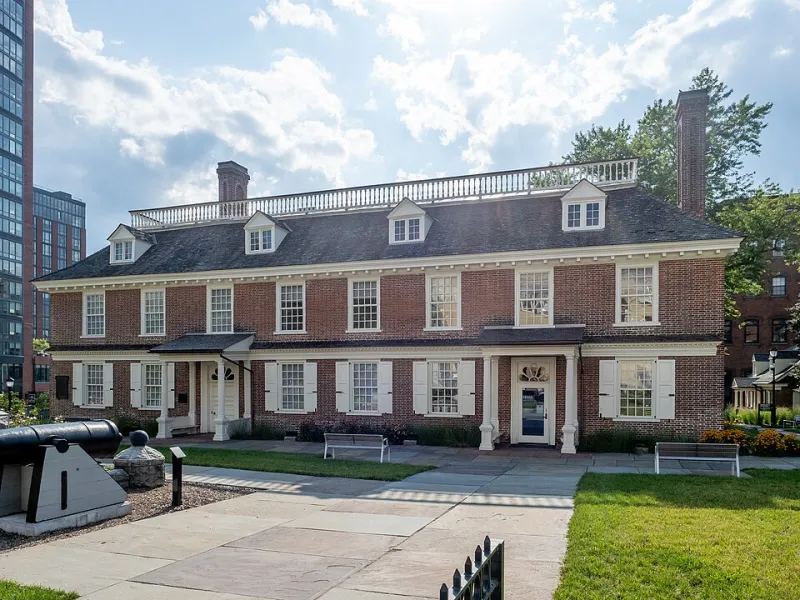
Photo: ajay_suresh, CC BY 2.0, via Wikimedia Commons
Kent's weather has a long tradition of doing precisely as it pleases. A morning that begins with soft sunlight over the gardens can, by early afternoon, deliver a sharp shower and a sky the colour of slate. For couples planning a wedding at Wickham Court, this is not a cause for alarm. It is simply a consideration to be met with the same care as seating plans and menu choices. A house of this age has weathered far more than a damp Saturday, and its rooms were designed long before anyone thought to rely on a marquee.
The sensible approach is not to plan for rain instead of sunshine, but to plan a day that works beautifully in either. What follows is a room-by-room and route-by-route strategy for doing exactly that.
Reading the Forecast Without Panicking
A forecast is a guide, not a verdict. Begin checking with seriousness about seventy-two hours before the ceremony, and again on the morning itself. Share one agreed plan with suppliers, the celebrant or officiant, and the venue team, so that no one is improvising in the moment. The aim is quiet preparedness: umbrellas counted, a dry route confirmed, and a decision point agreed for whether the ceremony takes place outdoors or within the house.
Couples often find that setting that decision point early, perhaps by ten o'clock, removes a great deal of unnecessary speculation. Once the choice is made, it is made, and the day can proceed with confidence.
The Ceremony: A Room Already Waiting
One of the quiet advantages of a historic house is that its principal rooms are never merely spare space. They are complete in themselves—panelled, lit, and proportioned for gathering. Should the ceremony move indoors, it should not feel like a compromise but like a deliberate choice. Arrange the chairs in gentle curves rather than rigid rows, place candles or low arrangements to draw the eye forward, and allow the room's architecture to do the work that a garden view would otherwise perform.
It is worth visiting the indoor option in advance at roughly the same hour as the ceremony, so that you understand how the light falls. Ask the venue team where the officiant will stand, where the musicians will set up, and how the aisle will run. A rehearsal indoors takes twenty minutes and repays the effort many times over.
Arrivals and the Dry Route
Guests rarely mind a little rain if they are expected and looked after. What they dislike is uncertainty. Confirm a covered or sheltered arrival route from the car park to the entrance, and position a small number of large, well-made umbrellas rather than a scattering of flimsy ones. If the ground is likely to be soft, a discreet sign or a member of the team guiding guests around the worst of it is more effective than any amount of gravel.
For the bridal party, identify a dry path in advance and keep it clear of vehicles and deliveries. It is a small logistical detail that protects dresses, shoes and tempers alike.
Photography When the Light Is Grey
Overcast skies are, in truth, a gift to a photographer. They soften shadows and flatter the face, and they lend the stone of an old house a rich, even tone that bright sunshine often flattens. Discuss a wet-weather route with your photographer before the day: which doorways, cloisters, staircases and deep windows can serve as sheltered frames. Wickham Court's interiors offer texture and depth that a garden cannot always match.
Build in a short window for outdoor photographs if the rain eases, but do not build the day around it. Some of the most enduring images from manor-house weddings are made indoors, by a window, with the rain visible beyond the glass.
Guest Comfort and the Small Provisions
Comfort is made of small things. A basket of folding umbrellas by the door. Somewhere warm to wait. A swift hand with a towel for damp shoulders. If the ceremony is indoors, ensure the room is warm well before guests arrive, and keep a supply of water and something fortifying close at hand for the wedding party.
Consider, too, the question of footwear. A note on the wedding website or in the order of the day suggesting sensible heels or a change of shoes is never unwelcome. For winter or particularly wet dates, a few pairs of wellington boots in mixed sizes, kept discreetly out of sight until needed, have saved many a guest's composure.
The Evening, and Letting the House Do the Work
As the afternoon gives way to evening, the house becomes its most persuasive. Fires lit, lamps low, curtains drawn against the dark—this is the weather for which these rooms were built. A wet day encourages guests to gather rather than disperse, and a house with genuine rooms to offer absorbs a crowd far more gracefully than a single open space.
If the rain persists, move the drinks reception deeper into the house and let the rooms unfold one into another. The effect is intimate rather than confined. Couples frequently remark that a damp wedding felt warmer, closer and more convivial than they had imagined.
A Day That Holds Its Shape
The measure of a successful wedding is not the weather but whether the day retains its shape and its atmosphere from beginning to end. At Wickham Court, the combination of historic rooms, sheltered routes and grounds that reward a break in the clouds means that rain alters the choreography, not the occasion. Plan with the forecast in mind, decide early, look after your guests, and trust the house to do what it has always done: provide a setting that rises to the moment.