Stone, Strings and Silence: A Sound Plan for 2027 Weddings at Wickham Court
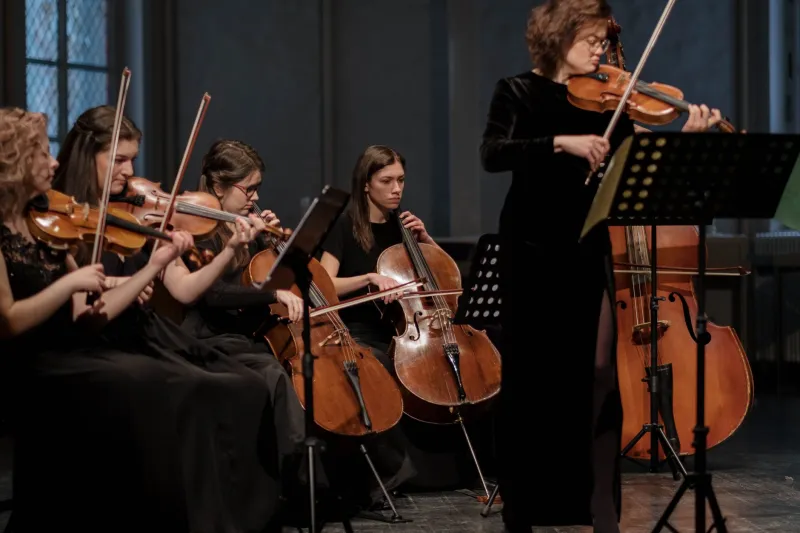
Sound is the most adaptable element of a wedding. Flowers are fixed by the season; the weather is not. But the volume, placement and timing of music can be adjusted until the last moment. At Wickham Court, the house itself is an instrument: stone, timber, glass and lawn each respond differently to a string quartet, a speech or a late-night playlist.
For couples planning a 2027 celebration, the aim is not simply to book a band and hope for the best. It is to decide, in advance, how each part of the day should sound — and where the quiet hours will fall.
The Ceremony Room: Clarity Before Atmosphere
Ceremonies in historic houses are often won by restraint. A panelled or vaulted room will carry a single violin or a harp without amplification; a small choir can fill the same space. Couples should decide early whether they want unamplified music, a modest PA system or a hybrid of the two.
Ask suppliers to visit the room before the wedding day. Speaker placement matters: keep speakers off the floor and away from bare stone where possible, and angle them towards guests rather than across the room. If readings form part of the ceremony, use a dedicated microphone rather than relying on a handheld passed between readers. A lapel microphone for the celebrant or officiant can reduce the number of stands at the front.
Seating layout changes what guests hear. Shallow arcs, with a clear central aisle, allow sound to reach the back rows without excessive volume. If the room is long and narrow, consider a second small speaker halfway down, set low. The goal is intimacy at the front and clarity at the back, without a wall of sound in between.
Drinks Reception: The Art of the Background
Outdoors, sound behaves differently. On a terrace, music that feels gentle at the bar can carry to the boundary. Position speakers facing into the gathering, not out across the lawns. Keep volume at a level that allows a normal conversation at two metres; guests should not have to raise their voices before dinner has even begun.
An acoustic duo, a jazz trio or a well-curated playlist all work. The important decision is not genre but geography. Ask the band or DJ to bring directional speakers and to nominate one person who can adjust volume during the reception. Wind, rain and the shift from afternoon to dusk all change how sound travels. A plan that works at 3pm may need adjusting by 6pm.
Speeches: Make Every Word Land
Speeches fail more often through poor sound than poor content. A single wireless microphone, tested in the room, is usually enough. A lectern helps speakers who are nervous; a handheld microphone suits those who prefer to move. Avoid placing the main speaker close to a wall or window, where reflections can blur consonants.
Timing matters. Three or four speeches, each under ten minutes, will hold a room better than a long sequence. Seat speakers near the front and give them a clear route to the microphone. Appoint a confident guest or a member of the Wickham Court team to introduce each speaker and to hand over the microphone without fumbling.
Ask the band or DJ to provide a short burst of music after each speech. It covers the transition and gives the next speaker a moment to settle. Keep the music low under the speeches themselves; a bed of sound is more distracting than silence.
Dinner, Dancing and the Shape of the Evening
After dinner, the room changes function. Tables are cleared, the floor is opened, and volume rises. For live bands, agree a stage footprint in advance. A four- or five-piece band needs more space than couples expect, as well as power points and a load-in route that does not cross the dining room during service.
Set a music curfew in writing. Most manor-house weddings work best when live music ends at a reasonable hour and recorded music continues at a lower level. The move from live band to DJ is a natural moment to lower the volume and draw guests towards the bar or a quieter lounge.
Consider a quiet room. Not every guest wants to shout over a bassline. A drawing room or snug with soft seating, low lighting and no music gives older relatives, young parents and conversation-seekers somewhere to retreat. It also reduces the number of people asking the DJ to turn the music down.
The Boundary, the Neighbours and the Late Hour
Wickham Court sits in a landscape that is not exclusively ours. Sound travels across gardens, walls and fields. Couples should expect the venue to set reasonable limits and should plan the evening around them rather than against them. Doors and windows closed after a certain hour, speakers angled inward and an agreed finish time are not restrictions on the party; they are the conditions that allow it to happen.
If the celebration continues, move it indoors. A late-night playlist in a smaller room can feel more intimate than a half-empty dance floor. Provide transport or clear taxi arrangements so guests leave gradually and quietly.
A Sound Checklist for 2027
- Visit the ceremony room with your musicians or DJ before finalising the plan.
- Decide between unamplified, amplified and hybrid music for the ceremony.
- Book a wireless microphone for speeches and test it in the room.
- Agree speaker placement for the terrace and the garden drinks reception.
- Confirm the live-music curfew and the level for recorded music afterwards.
- Plan a quiet room for guests who need a break from the noise.
- Nominate one person to manage volume and cue music throughout the day.
Sound is hospitality. Get it right, and guests remember the atmosphere rather than the equipment. At Wickham Court, the aim for 2027 is not silence, nor a wall of noise, but a day in which every word, every toast and every piece of music arrives exactly as it should.