Light, Stone and Season: Designing a Wedding Photography Route at Wickham Court
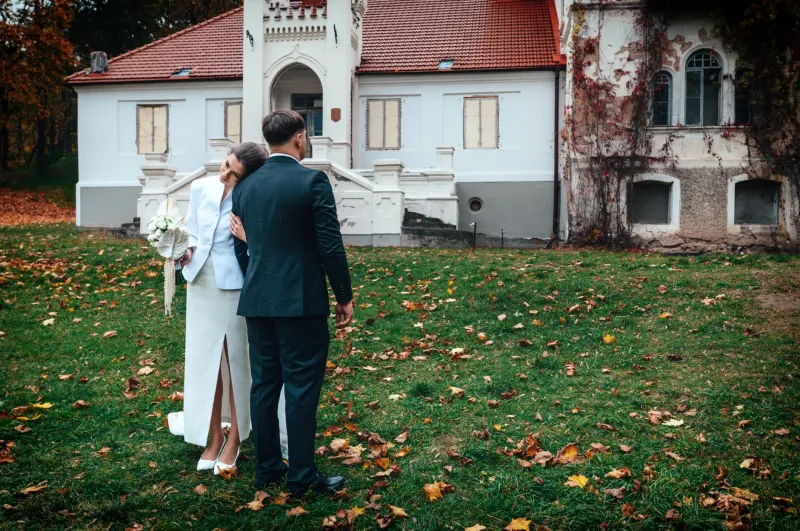
Wedding photography at a historic house is often discussed as though the building were a single backdrop: one handsome façade, one lawn, one doorway. In practice, Wickham Court rewards a more thoughtful approach. The house and grounds offer a sequence of settings, each with its own quality of light and texture. The result is not a checklist of locations but a route through the day, shaped by the season and the weather.
Begin with the light, not the list
Before considering which doorway or staircase to use, couples and photographers should establish how light moves through the venue across the day. A site visit at the same hour as the ceremony and reception is more useful than a midday tour in a different month. In summer, the evening remains generous; in winter, the best exterior light may arrive before guests have finished their drinks reception. A photography route should be built around those realities rather than around a fixed list of must-have shots.
This is particularly true at a heritage venue. Interiors rely on window light as much as on lamps, and exteriors change character with the angle of the sun. A wall that looks flat at noon may become richly textured in late afternoon. A lawn that feels exposed in bright sun may be perfectly soft under cloud. The photographer should be encouraged to walk the site, test the principal rooms and identify two or three flexible options rather than a single rigid plan.
Spring: doorways, fresh growth and changeable skies
Spring is the season of optimism, and Wickham Court’s stonework responds well to it. A sheltered doorway, framed by fresh growth and early blossom, offers a natural portrait setting without requiring a long walk. The stone provides warmth and texture, while the surrounding greens remain soft rather than heavy. Couples who marry in March, April or May should expect changeable weather and plan accordingly, but they should not treat cloud as a disadvantage. Diffused light is flattering for portraits and allows the detail of the house to remain visible.
Spring also suits a shorter route. The ground may still be firm, but the garden is not yet at its fullest, so the most successful images often concentrate on architecture, pathways and close details. Confetti photographs work particularly well against a dark doorway or clipped hedge. If rain arrives, the route can contract to the porch and the nearest reception rooms without the album feeling compromised.
Summer: shade, lawns and late evenings
Summer offers the greatest range, but it also demands the most discipline. Harsh midday light can flatten the façade and make open lawns uncomfortable for guests. The wiser approach is to use shade, covered walkways and interior rooms during the middle of the day, reserving the grounds for the softer hours after the ceremony and during the evening reception. Long Kent evenings are an asset: a short second portrait session after dinner can produce some of the most relaxed images of the day.
Summer weddings should also consider the comfort of guests. A photography route that asks elderly relatives to stand in full sun, or that crosses uneven ground in formal shoes, will quickly lose its charm. The best routes are generous with pauses and shade. Couples may wish to give the photographer a short window for portraits while guests move to drinks, rather than attempting to compress every combination into the same half hour.
Autumn: colour, texture and earlier dusk
Autumn is perhaps the most forgiving season for photography at a manor house. The light softens, the grounds gain colour and the interiors begin to feel welcoming rather than merely practical. Earlier dusk is not a problem provided the timeline acknowledges it. A ceremony at three o’clock in October leaves less time for exterior portraits than the same hour in July, so the route should place the most important outdoor images before the light fades.
Texture becomes the theme of an autumn album: stone, timber, fallen leaves and the warm tones of the house. Couples should be prepared for damp ground and should not expect every path to be pristine. Well-chosen footwear for the portrait walk is sensible, and the photographer may prefer to work close to the house rather than venturing far across the lawn. Interiors begin to offer more as the afternoon closes in, giving the route a natural rhythm from garden to fireside.
Winter: firelight, interiors and quiet corners
Winter weddings at Wickham Court are not a compromise; they are a different kind of pleasure. The house becomes the principal setting, and the photography route should embrace that. Window light in the reception rooms, a staircase, a fireside chair and a sheltered doorway can provide variety without sending anyone into the cold. The key is timing. Winter light is brief, so exterior images should be taken early if they are wanted at all.
Firelit interiors require careful briefing. Flash may be unnecessary and can destroy the atmosphere; equally, very low light may demand a longer exposure or a higher setting than the photographer would normally choose. Couples should discuss this openly with their photographer and with the venue. The most successful winter albums often favour quiet, unposed moments: a drink by the fire, a conversation in a corner, the house settling into evening.
A wet-weather route that still feels considered
Rain is the test of any photography plan. The answer is not to hope for the best but to prepare a route that uses porches, covered areas and the principal rooms. Umbrellas should be plain and plentiful, and someone should be responsible for keeping them out of the main photographs unless they are intended. Couples should identify a dry alternative to their preferred outdoor portraits and be willing to use it early, before the weather worsens.
A wet-weather route should also protect the venue. Wet shoes, tripods and equipment can mark floors and furniture. The photographer should be briefed on where equipment may be placed and which rooms are available for portraits. A heritage house is not a studio, and a little care ensures that the setting remains as handsome for the next celebration as it is for this one.
Briefing your photographer
A good briefing is specific but not overbearing. Provide a timeline, a list of essential family groups and any accessibility considerations. Mention the rooms and outdoor areas that matter to you, but leave room for the photographer’s judgement. Ask them to visit at the same time of day as the wedding, or at least to review a site plan and seasonal light notes. Discuss flash, tripods and drone use in advance; permissions vary, and a heritage setting may have practical restrictions.
Couples should also decide how much time they are willing to spend away from guests. Thirty minutes of portraits can be generous; ninety minutes can become an absence. A concise route, well timed, usually produces a more varied album than a long tour of every possible corner.
Why a heritage setting rewards a slower approach
Wickham Court does not offer one perfect backdrop. It offers a series of rooms, doorways, paths and views that change with the season and the hour. That variety is its advantage. Couples who plan a route rather than a checklist, and who brief their photographer with clarity and trust, will find that the house gives them something more valuable than a fashionable shot: a record of the day in the place where it happened, with all the texture and character that a historic Kent manor can provide.