A Gentler Celebration: Sensory-Aware Wedding Planning at Wickham Court

Photo: elegant quiet drawing room English manor house soft armchairs natural light, via ae01.alicdn.com
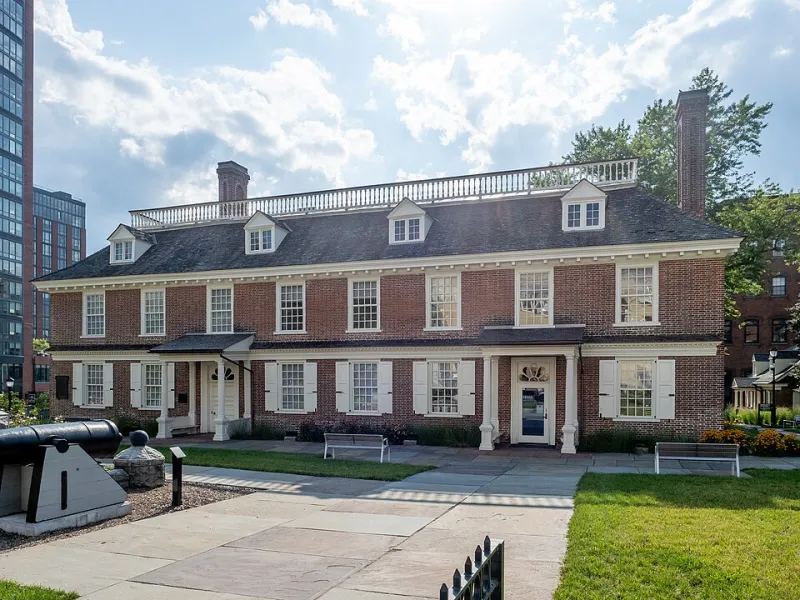
A wedding is not one event but a sequence of small sensory events: the rustle of confetti, the shift from ceremony music to reception chatter, the sudden brightness of a photographer’s flash, the pressure of standing in a receiving line. For many guests these are pleasant details. For others, they are the difference between being present and being overwhelmed. At a manor house such as Wickham Court, the advantage lies in having more than one room, more than one pace and more than one place to be.
Sensory-aware planning is not about making a wedding clinical. It is about good hospitality: noticing that guests experience the same day differently, and building in choices so that everyone can remain part of the celebration.
Start with the guest list, not the floor plan
Before considering table plans or music lists, couples should think quietly about who will be in the room. A neurodivergent guest may find prolonged noise difficult. An older relative may need to sit rather than stand through a long drinks reception. An anxious traveller may welcome clear information about arrival, parking and what happens next. A guest with a hearing aid may struggle when speeches are amplified too loudly or when background music competes with conversation.
Invitation wording can do much of this work without singling anyone out. A simple line inviting guests to ask about quieter spaces, timings or access needs is often enough. The aim is to offer a route to help, not to label anyone. Couples might also ask a trusted family member or friend to keep an eye on relatives who are less likely to ask for themselves.
The quiet room: a retreat, not an afterthought
The most practical step is to designate a genuine quiet room. At Wickham Court, the smaller reception rooms away from the main celebration can serve this purpose well, provided the room is not also being used for storage, supplier briefings or a cloakroom overspill. A quiet room should feel intentional: soft seating, low or natural light, water within reach and perhaps a few books or simple activities. Music should be absent or kept very low. The door should be easy to close, with a subtle sign outside rather than a clinical notice.
The room should be available from the moment guests arrive, not only after the evening party begins. It should sit off the main route, so that it is calm, but not so far away that guests feel exiled. A member of the venue team or a trusted guest can check periodically without hovering. In fine weather, a sheltered corner of the grounds can act as an outdoor quiet zone, but an indoor alternative should always be prepared. The point is choice: a guest can step away, recover and return without having to explain themselves.
Sound, light and the shape of the day
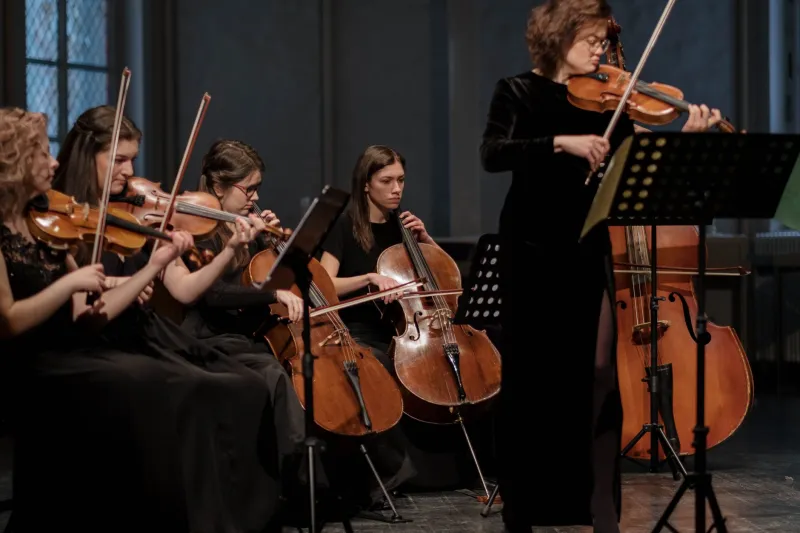
Noise is rarely a single problem. It is the accumulation of sound: background music during arrival, clapping after speeches, a band starting suddenly, a DJ lifting the volume as the evening progresses. Couples can agree sensible limits with musicians and suppliers in advance. A moderate volume cap, a ban on sudden sound bursts and a clear start time for the evening music all help. If fireworks, confetti cannons or loud entrance music are planned, guests should be warned in the programme and, where possible, given a moment to step outside.
Lighting matters as much as sound. Warm, static lighting is gentler than flashing or strobe effects. Dimmable lamps and natural daylight can carry the early evening beautifully. Photographers should be briefed not to use flash in the quiet room and to work unobtrusively during sensitive moments. Speeches should be amplified clearly but not loudly; a microphone used well is kinder than a speaker who feels obliged to shout.
Timings should leave room to breathe. A long drinks reception with no seating can be difficult for older guests and anyone who finds standing tiring. A short buffer between ceremony and reception gives guests time to move, use the facilities and settle. Before a loud moment, a five-minute warning from the toastmaster or a senior member of the venue team is a small courtesy that makes a real difference.
Signs that guide without shouting
Clear signage is a quiet form of care. Signs should be consistent, elegant and placed at eye level: directions to the quiet room, the gardens, the cloakroom and the toilets. A simple day plan near the entrance, showing key times and marking the quieter spaces, helps guests orient themselves without having to ask. The same information can be shared digitally before the wedding for those who prefer to prepare in advance. Language should be plain and calm. A sign that reads Quiet room is more useful than a complicated description of a sensory space.
Briefing suppliers as partners in comfort
Suppliers cannot plan around needs they do not know about. A one-page guest experience note, shared with the venue, photographer, musicians, toastmaster and caterers, can set out the quiet room location, the agreed volume limits, any prohibited effects and the name of a contact who can answer questions on the day. Front-of-house staff should know where the quiet room is and how to direct guests discreetly. Caterers can be asked to keep strong smells away from the quiet room and to offer simple, plain options alongside the main menu. None of this needs to feel restrictive. It is simply a clearer brief.
The elegance of inclusion
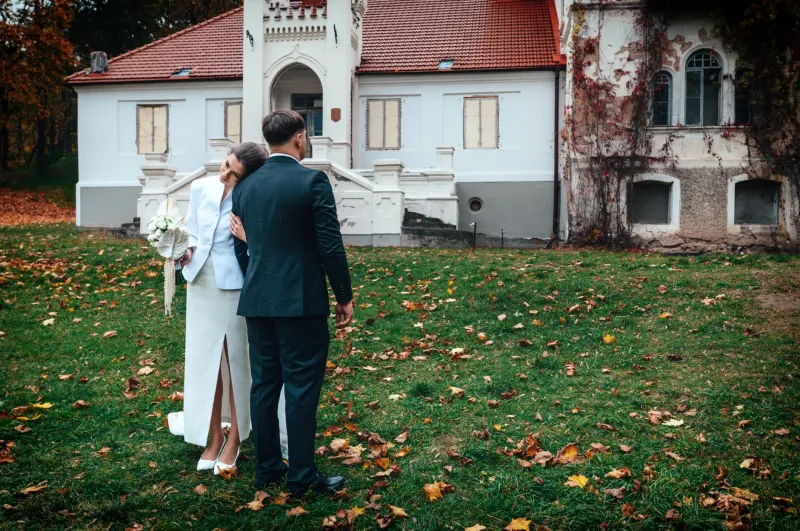
A wedding at Wickham Court already has a natural advantage: the house offers different rooms, different volumes and different moods. A couple who uses those spaces thoughtfully is not adding a clinical layer to a beautiful day. They are recognising that elegance and inclusion belong together. The quiet room, the well-judged microphone, the clear sign and the paced timetable are not distractions from the celebration. They are part of the hospitality that allows guests to stay longer, relax sooner and remember the day for the right reasons.