Arriving Well: The First Sixty Minutes of a Manor-House Wedding
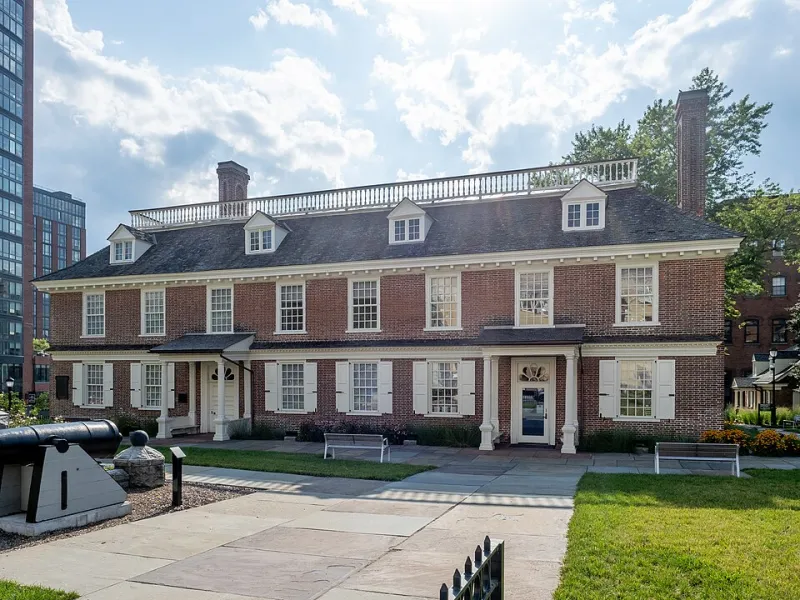
Photo: ajay_suresh, CC BY 2.0, via Wikimedia Commons
The first hour is a piece of theatre
A historic house does not reveal itself all at once. Guests who step through the door of a Kent manor are not entering a hotel lobby with a single, obvious route to the bar. They are entering a sequence of rooms, each with its own proportions, light and purpose. The first sixty minutes should therefore be treated as a piece of quiet theatre: welcoming, unhurried and carefully staged.
At Wickham Court, the temptation for couples is to open every door at once. The result is usually predictable. Guests drift into the ceremony room too early, hover in the entrance hall, and leave the drawing room empty at the very moment it would have offered the most graceful place to gather. A better approach is to reveal the house in chapters. The first hour should feel composed, not crowded.
A room-by-room sequence
The arrival point should be obvious before guests reach it. Ideally, the outer door or porch is staffed by someone who can welcome guests, take coats and answer the practical questions that otherwise ambush the couple. In winter, this matters even more. A cold, draughty hall is not a welcoming room, however beautiful its stone floor.
The entrance hall should be a place of orientation, not a reception room in its own right. Keep it clear enough for movement, with a table for place cards, a sign for the loos and perhaps a single arrangement of flowers. If drinks are served here, they should be simple and portable. A crowded hall creates a bottleneck that makes the whole house feel smaller than it is.
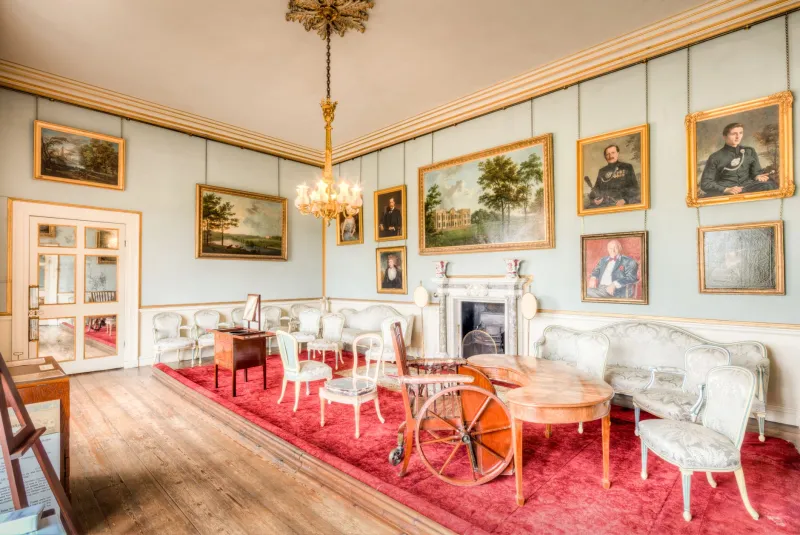
The principal drawing room should open first. This is where older guests can sit, where early arrivals can be given a drink, and where the house can show its warmth. A smaller salon or library can serve as a quiet room for parents, nervous bridesmaids or anyone who needs a few minutes away from the gathering. The ceremony room itself should remain closed until shortly before the service. Guests who wander into an empty ceremony room tend to stand awkwardly at the edges, and the room loses its sense of occasion.
If the weather allows, the terrace or garden should be available as an overspill. In winter, this may be a brief breath of fresh air rather than a place to linger. Either way, the route outside should be lit, swept and clearly signposted.
A sample timeline for a 1pm ceremony
12.30pm: Guests begin to arrive. Coats are taken in the hall, welcome drinks are offered in the drawing room, and the quiet room is open. The ceremony room remains closed.
12.45pm: Ushers gently move guests towards the ceremony room. Drinks are cleared from the hall so that the transition is not muddled by half-finished glasses.
12.55pm: Guests are seated. Late arrivals are guided discreetly to the back. The couple and their immediate party are kept out of sight.
1.00pm: Ceremony begins.
1.30pm: Guests leave the ceremony room and are directed to the drawing room and terrace for drinks and canapés. Group photographs begin only once the initial welcome drinks have been served, so that the first ten minutes do not become a scrum of coats and camera bags.
1.50pm: The couple joins the drinks reception. Photographs continue in a defined area, with a list held by the photographer and a responsible adult rather than by the couple themselves.
Common mistakes couples make
The first is opening the ceremony room too early. The second is placing the welcome drinks in a corridor or narrow hall, which makes guests feel they are queuing rather than arriving. The third is scheduling group photographs during the peak arrival period. Guests who are needed for a photograph are often the same guests who want to greet elderly relatives or find their seats.
Another common error is forgetting the coat plan. A winter wedding in a historic house needs a proper cloakroom, not a rail in a passageway. Couples should also resist the urge to fill every room with décor. A manor house already has an atmosphere; too many signs, candles and props can make it feel like a set rather than a home.
Working with winter light and a historic layout
Winter light is short, but it can be beautiful. Photographs should be taken before 3.30pm if possible, and the photographer should visit at the same time of year as the wedding to understand where the light falls. Keep curtains open in the main rooms, use warm lamps rather than harsh overhead lighting, and make sure the path from the ceremony room to the reception rooms is well lit.
The historic layout also asks for patience. Some doorways are narrow; some floors are uneven; some rooms are best suited to conversation rather than dancing. Couples should walk the route themselves as guests would, not as planners. If the first hour works for an eighty-year-old guest with a walking stick and a three-year-old child in a coat, it will work for everyone.
The aim is not to manage guests like traffic. It is to let them feel that the house has been prepared for them, room by room.