The Kitchen Garden Table: A Seasonal Wedding Breakfast at Wickham Court
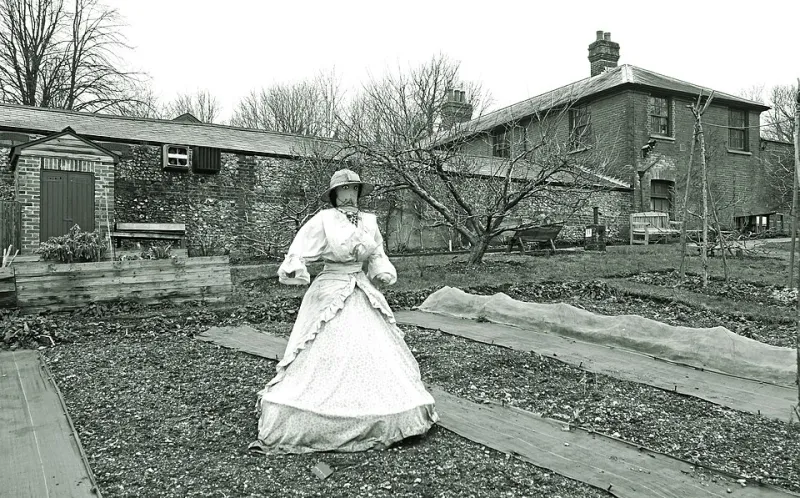
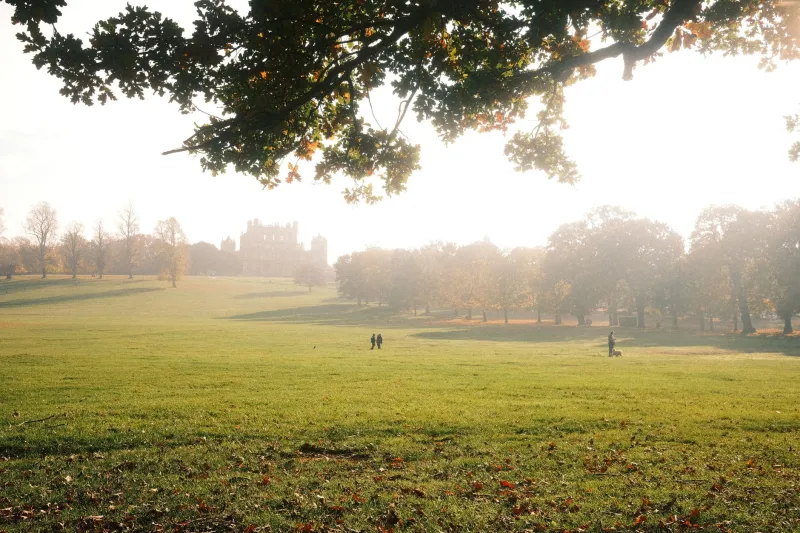
At Wickham Court, the walled garden is often the first thing couples notice and the last thing they forget. Its brick walls, sheltered beds and quiet paths suggest a place that has been tended for centuries, and that sense of continuity is precisely what makes it such a useful starting point for a wedding menu. Rather than beginning with a generic catering package and looking for ways to dress it up, couples can begin with the garden itself: what it grows, when it grows, and how those rhythms might shape a wedding breakfast that tastes of Kent rather than of a spreadsheet.
The Garden as a Working Calendar
A walled garden is not simply decorative. The walls hold warmth, break the wind and create a microclimate in which fruit, herbs and vegetables can be brought on earlier and kept going later than in the surrounding fields. For a wedding, this matters. It means that a menu planned for late May need not rely on imported asparagus or forced strawberries; it can lean on what the garden and nearby Kentish growers are actually producing at that moment. The result is food that feels rooted in the day rather than ordered from a catalogue.
Kent has long been called the Garden of England, and the description is not merely sentimental. Orchards, hop gardens, soft-fruit farms and market gardens have shaped the county's landscape and its kitchen traditions for generations. A wedding breakfast that draws on those traditions gains both flavour and a narrative that guests can follow.
A Calendar of Kentish Produce
Seasonality is easiest to understand month by month. The following outline is not a rigid prescription but a practical framework for conversations with a caterer.
Spring, April to May. The garden wakes slowly. Wild garlic, young spinach, radishes, spring onions and the first herbs appear, while Kentish asparagus arrives with its short, eagerly awaited season. A spring wedding breakfast might open with a light asparagus dish, follow with lamb and new potatoes, and finish with rhubarb or forced pink rhubarb from a local grower.
Early summer, June. Strawberries, peas, broad beans and elderflowers are at their best. This is a generous period for canapés, salads and desserts that need little embellishment. A caterer working with local supplies can build a menu around freshness rather than technique.
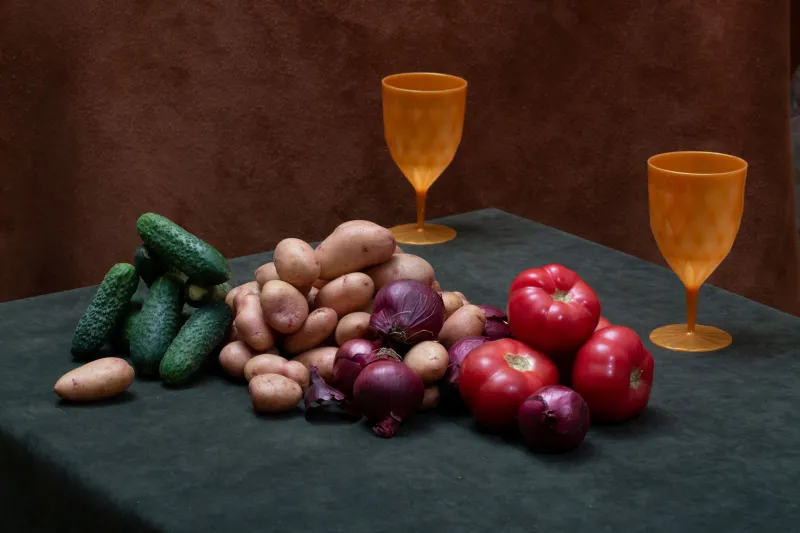
High summer, July and August. Tomatoes, courgettes, beans, soft fruit and stone fruit reach their peak. Menus can be abundant and colourful, with garden herbs used generously. This is also the moment to consider a simple garden garnish station or a herb table that lets guests add their own finishing touches.
Autumn, September and October. Kentish apples, pears, damsons, cobnuts and squash come into their own. A wedding breakfast at this time of year can be richly autumnal without being heavy: roasted roots, orchard fruit, game or well-sourced pork, and chutneys made from the garden's surplus.
Winter, November to March. The garden is quieter, but not empty. Stored roots, brassicas, leeks and preserves carry the menu, alongside forced rhubarb and citrus from further afield. A winter wedding breakfast can be generous and comforting, with slow-cooked dishes, pickles and chutneys that recall the traditional Kentish larder.
Briefing Your Caterer Without Overcomplicating It
A caterer who is genuinely interested in provenance will welcome a conversation about the garden, but the brief should be clear rather than romantic. Couples should ask how the caterer sources produce, whether they are willing to build a menu around a short list of seasonal ingredients, and how they handle contingency if a particular crop fails. A tasting is essential, but so is a written menu that names the growers or the garden where possible. Guests notice when a menu card explains that the apples came from an orchard ten miles away or that the herbs were cut that morning.
It is also worth discussing quantities realistically. A walled garden may supply herbs, salad leaves and a few special ingredients, but it is unlikely to provide the bulk of a large wedding breakfast. The most honest approach is to treat the garden as a flavour and a story, with local growers supplying the volume. That combination is both practical and persuasive.
Why a Short Supply Chain Tells a Better Story
Food with a short journey from plot to plate tends to taste better, simply because it is fresher. But the advantage is not only sensory. A menu built on nearby growers gives guests something to talk about, supports the local economy and reduces the kind of unnecessary complexity that can make a wedding breakfast feel impersonal. It also connects the day to the place. A couple marrying at Wickham Court is not merely hiring a room; they are joining a long line of households who have eaten from this land.
Historic food traditions offer further inspiration. Kentish recipes for tarts, preserved fruits, hop-based brews and cobnut dishes can be adapted for a modern wedding menu without turning the meal into a museum exhibit. The aim is not to recreate a Tudor banquet but to let the past inform the present in a measured way.
Practical Considerations
A few details are worth settling early. First, establish who is responsible for picking and delivering garden produce, and on what day. Second, agree how the garden will be credited on menus and signage. Third, plan for weather: a garden tour or herb-picking moment is charming in June and less so in November, so have an indoor alternative. Finally, remember that a seasonal menu is not a restrictive one. It is simply a menu that respects the time of year, and that respect is usually evident on the plate.
For couples who want a wedding breakfast with a sense of place, the walled garden is not a decorative extra. It is a starting point, a calendar and a conversation. Used thoughtfully, it can turn a catering decision into one of the most memorable parts of the day.