The Long Countdown: A Month-by-Month Wedding Calendar for a Kent Manor in 2027
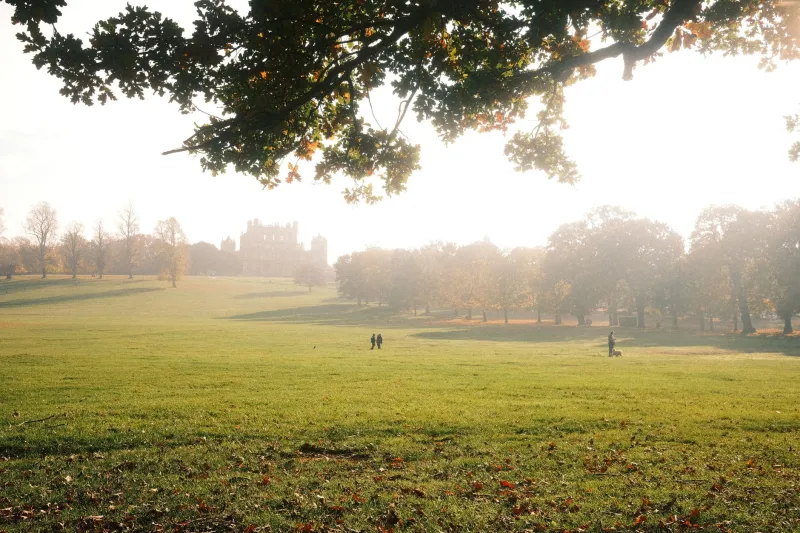
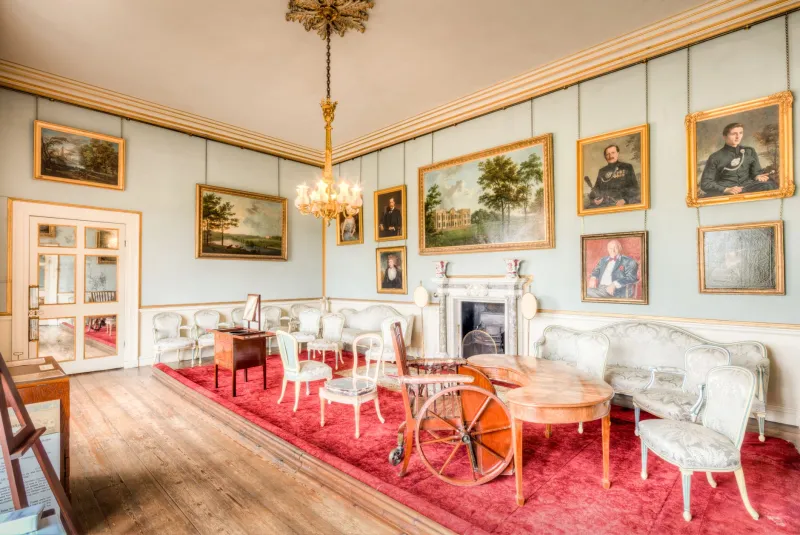
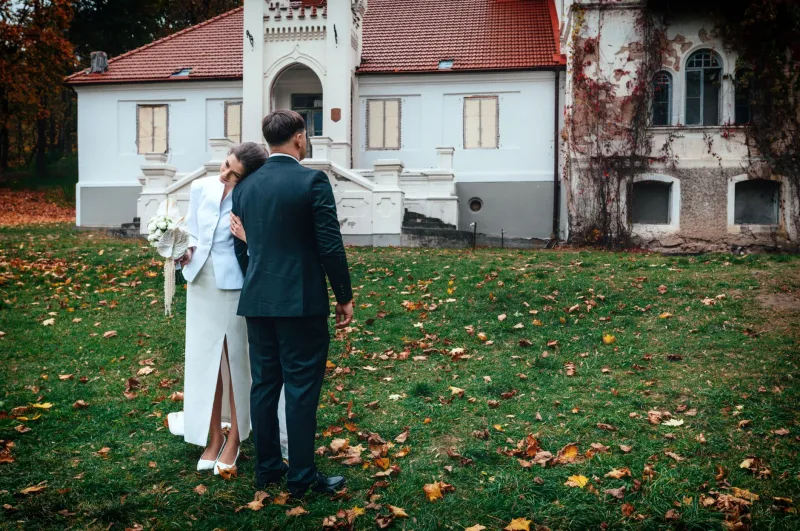
A wedding at a heritage venue asks something slightly different of its couples. The building is not a blank canvas; it has proportions, rules and a temperament of its own, and the couples who enjoy the planning most are usually those who work with that temperament rather than against it. What follows is a practical calendar for a 2027 wedding in a Kent manor house — not a list of deadlines to be feared, but a sequence designed to keep the last month quiet.
January: the enquiry that becomes a decision
January is when the post-Christmas enquiries arrive, and rightly so: a year ahead is comfortable for a house wedding, and two years ahead is not excessive for a Saturday in summer. Visit more than once if you can — a manor in February rain tells you something a manor in July cannot. Ask plainly what is included, whether the house is exclusively yours for the day, whether the ceremony can be held on site, and what time suppliers may arrive and must leave.
February: registrars, paperwork and the shape of the ceremony
In England and Wales, notice of marriage must be given at your local register office, and the standard waiting period is 28 days; where either of you has been married before, or was born outside the UK, allow considerably longer. If you are marrying in a licensed room at the venue, book the registrar for your date as soon as the diary allows. Decide, too, whether you want a civil ceremony, a celebrant-led ceremony or a church service followed by a blessing — the answer changes the timings of everything else.
March: the people who will hold the day together
The registrar is a fixed point; photographers, caterers and musicians are not. Popular suppliers in Kent are booked a year or more ahead for Saturdays, so March is the month to secure the photographer whose work you actually like, the caterer whose tasting you have yet to attend, and the band or DJ whose set list you can live with. Read contracts for cancellation terms rather than only for price.
April: tasting, tables and flowers
A tasting is not simply a pleasant lunch. It is where you settle how a three-course dinner will feel at eight in the evening, whether the canapés will survive a garden drinks reception, and how the kitchen will handle the two coeliac guests and the four children. Bring notes. If you are using a florist, discuss the house as much as the bouquet: low arrangements that do not block sightlines in the ceremony room often serve a historic interior better than towering ones.
May: beds, buses and the last mile
A rural venue is a joy and a logistics exercise. Block-book local accommodation early, particularly for a summer Saturday, and think honestly about how guests will travel. Where will coaches stop? Is there parking for those who drive? What is the taxi situation at eleven at night in this part of Kent? A short, clear travel note on your wedding website saves a great deal of correspondence later.
June: what you will wear and what you will hear
Fittings, rings, readings and music. Choose the processional and recessional pieces with the room in mind — a building with generous acoustics flatters an unaccompanied singer and can overwhelm a small speaker. Confirm who is giving which reading, and give them the text in print. If you are writing vows, draft them now; June is early enough for revision and late enough to know your own mind.
July: the paper trail
Invitations should be out with a clear RSVP date, dietary questions and a note about children. Draft the order of service, agree a gift list or a charitable alternative, and begin the seating plan in pencil. Do not treat the plan as a puzzle to be solved in one sitting; it will be redrawn at least three times, and that is normal.
August: numbers and the anatomy of the room
RSVPs arrive, and with them the real numbers. Walk the ceremony room again with a floor plan in hand: where does the aisle fall, how many chairs fit comfortably rather than theoretically, where will a wheelchair need to turn, and what happens to the front row if both sets of parents bring more guests than expected. Send the provisional numbers to the caterer.
September: everything in writing
This is the month for confirmations rather than decisions. Supplier arrival times, load-in routes, public liability insurance, PAT testing certificates for anything electrical, and — at a historic venue — acknowledgement of sound limits and any restrictions on naked flames. Candles, in particular, are a conversation worth having in September rather than on the morning. Keep one master document with every supplier's name, number and time.
October: the final walk-through
Visit with your coordinator, your caterer and, ideally, your photographer. Talk through wet-weather contingencies, the light at four in the afternoon, where signage will sit on the approach, and how the room will be turned around between ceremony and dinner. This is the moment to raise the awkward questions, not the week before.
November: rehearsal, handover and honeymoon admin
Hold a rehearsal if the ceremony has any movement in it. Distribute a short timeline to anyone with a role — the person holding the rings, the reader, the friend managing the guest book — and nominate one person to field questions on the day so that you are not the answer to everything. Confirm airport transfers and check-in for the honeymoon while there is still time to correct them.
December: the day itself
By now the work should be done. Eat breakfast, hand your phone to someone you trust, and let the house do what it was built to do. The value of a twelve-month plan is not that it guarantees perfection, but that it returns the final weeks to you — and a calm couple is, in the end, the detail guests remember most.